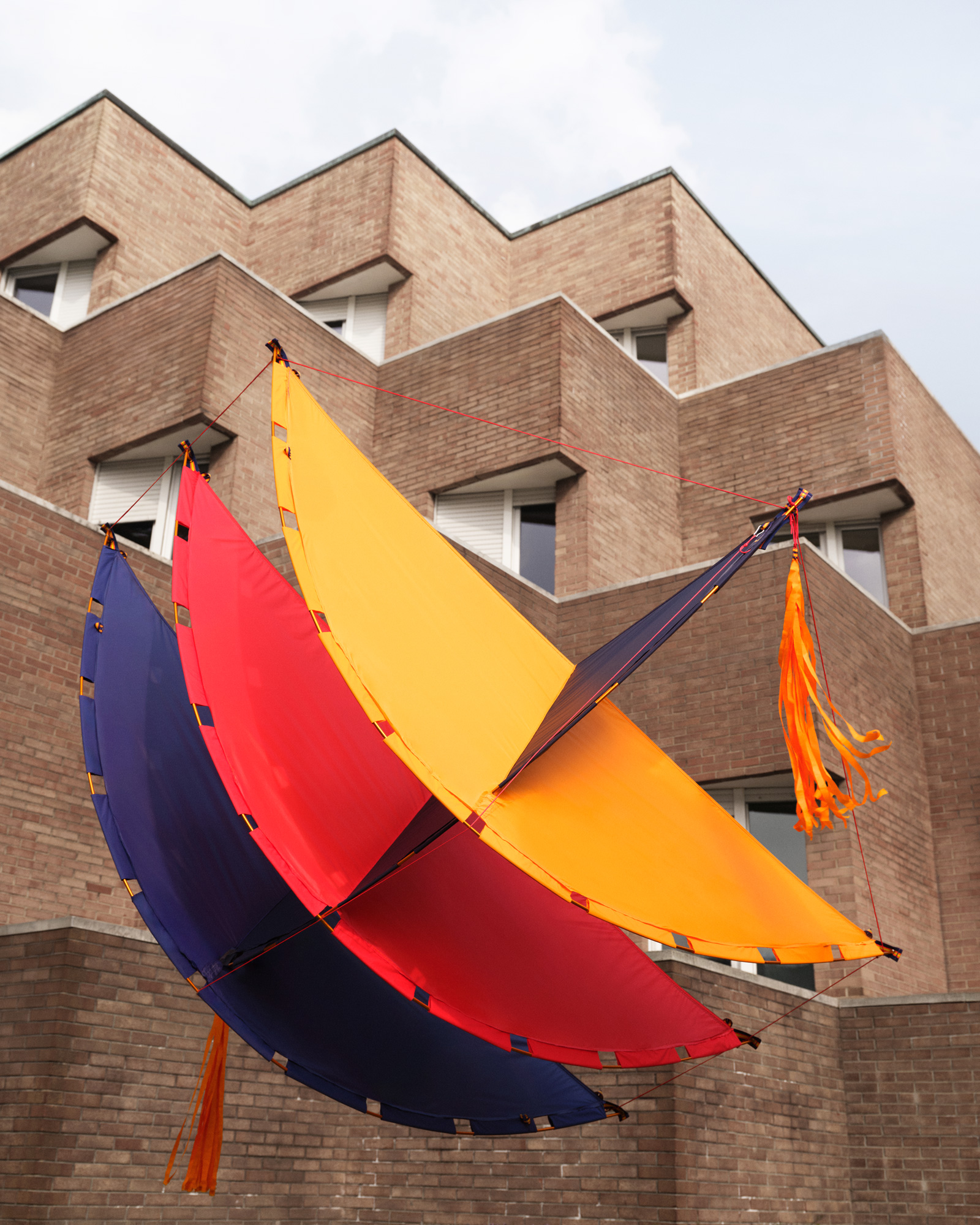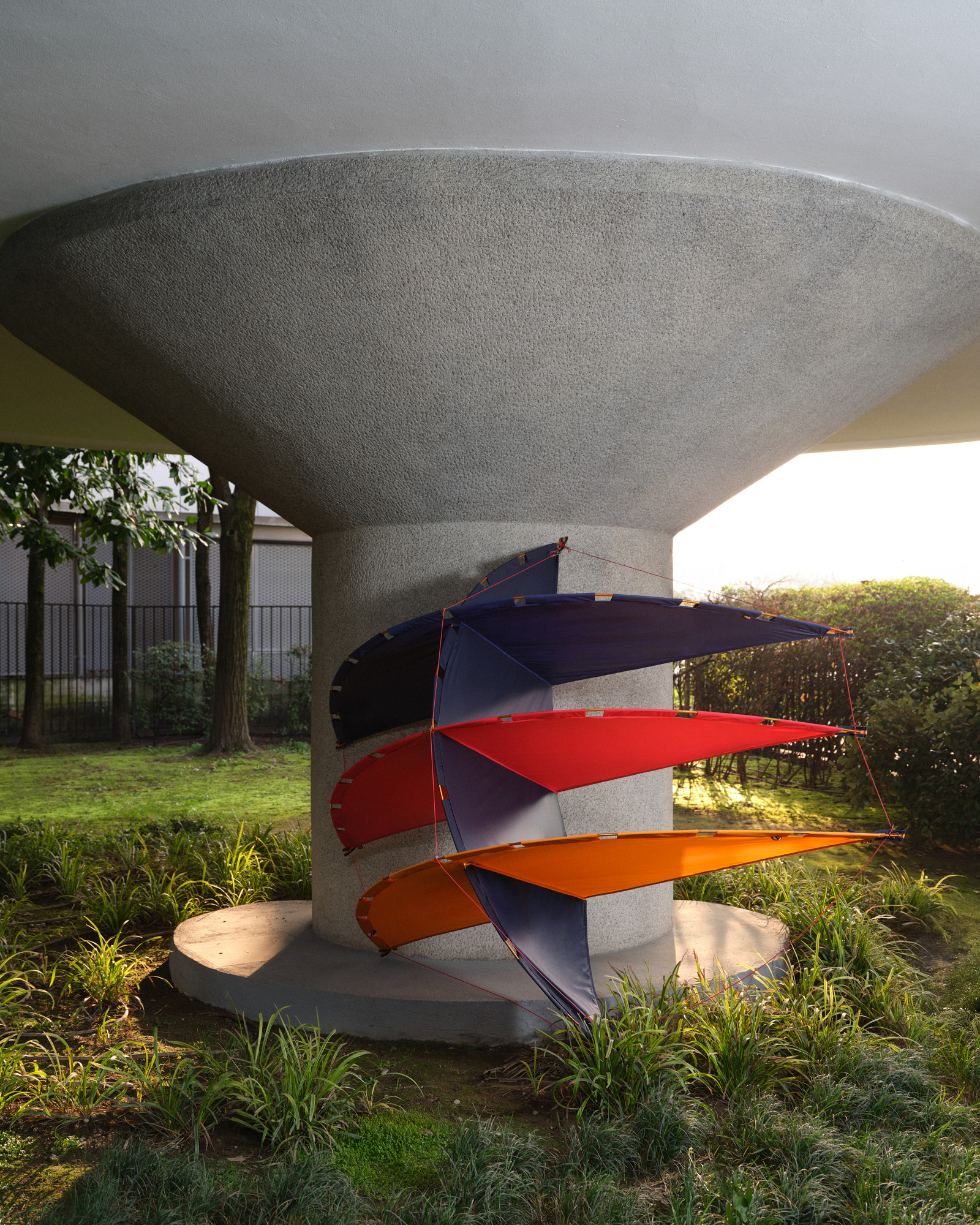
MILAN IS NOT BEAUTIFUL. MILAN IS ESSENTIAL.
During Salone del Mobile, design is not presented for what it is, but revealed as something we cannot live without.
Piše:
Danilo Mašković
Fotografija:
Cover Photo: ©Louis De Belle
Datum:
20.4.2026.
I remember my first time in Milan. I had no expectations, which is probably the only right way to enter this city. I walked through it as if it were a transit zone of Europe, moving between places that felt more familiar than the city itself. Everything seemed useful, functional, but not beautiful. And then I went up to the Duomo.
The moment was almost comical. Trying to capture a shot, I dropped my iPad and watched it shatter against a rooftop that looks as if it were carved out of light. I remember standing there, somewhere between tourists and stone spires, realizing two things at once. First, that I had just broken something I actually needed. Second, that Milan, seen from above, is in fact beautiful.
Maybe the problem is perspective. Maybe Milan was never meant to be seen from the street.
Milan is not Paris. It is not Rome. It does not try to seduce you at first glance. It does not rely on beauty. And that is exactly why so many people dismiss it before they understand it. Especially those arriving for their “aperitivo moment”, another photo with a glass in hand, another proof that they have been somewhere. For them, Milan often feels like a disappointment. Not photogenic enough. Not romantic enough. Lacking the clarity of Rome or the theatricality of Paris.
But Milan was never a city for first impressions. It is a city for second looks.
And maybe that is why it holds something no other city does. Something that has nothing to do with facades, but everything to do with substance. A city where The Last Supper does not exist as a tourist attraction, but as a permanent presence. An idea that is constantly revisited, reinterpreted, quoted, deconstructed and rebuilt. A city every designer, sooner or later, has to come to. Not because they want to, but because they have to. Like an unwritten metro stop on a path that is anything but easy.
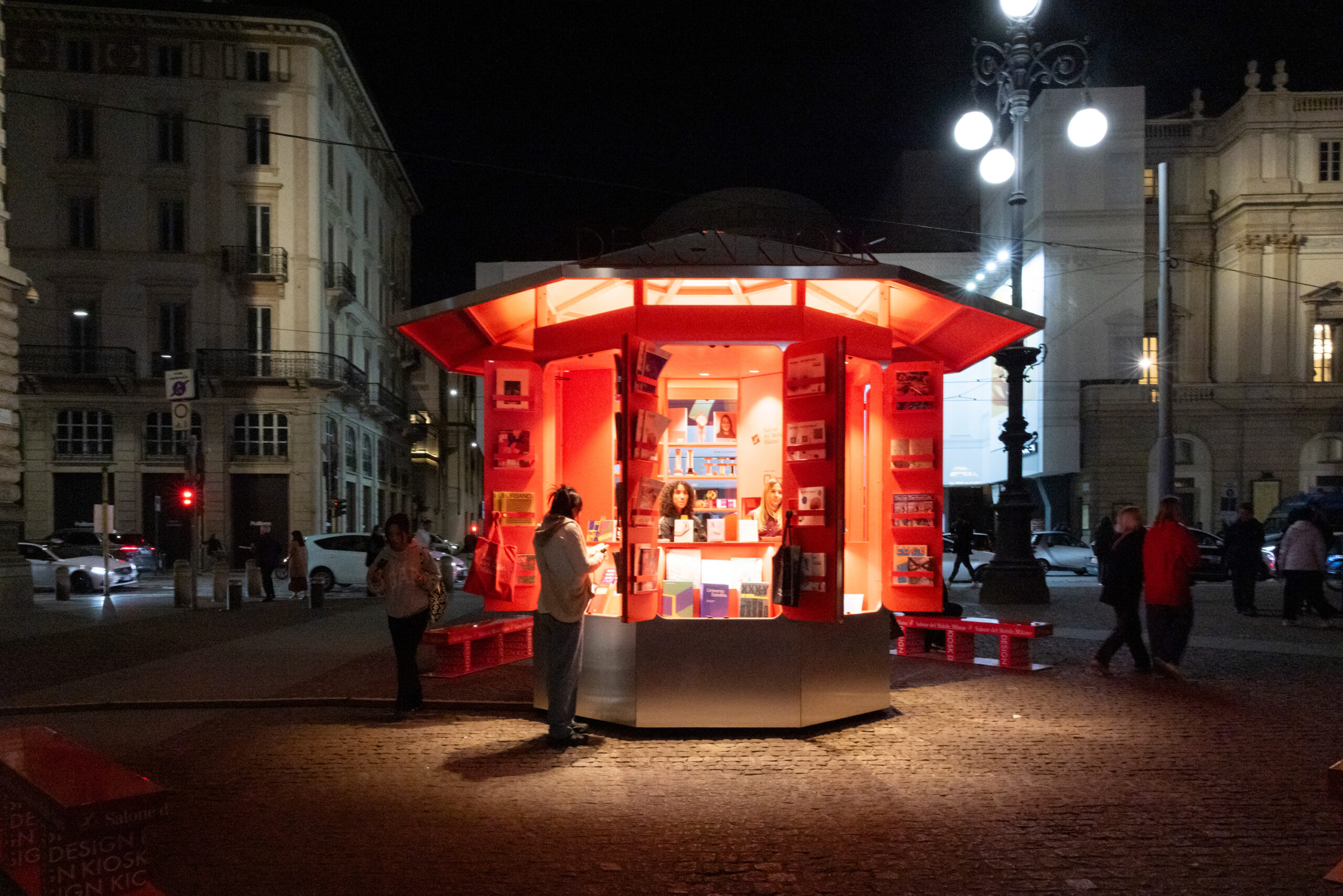
Design Kiosk, Piazza della Scala, Salone del Mobile 2025, photography: ©Alessandro Russotti
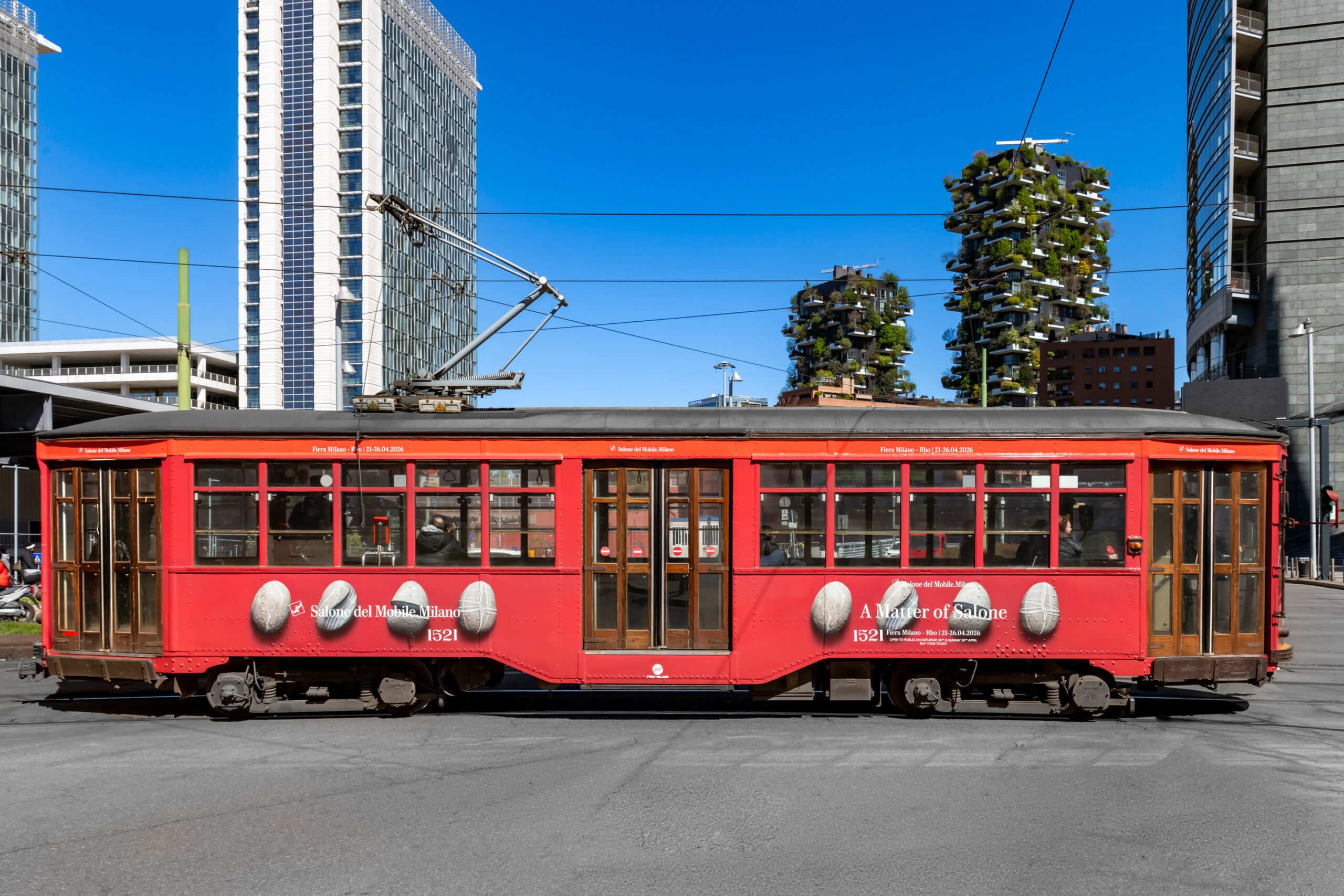
A Matter of Salone in the city, Salone del Mobile, Milano 2026, photography: ©Alessandro Russotti
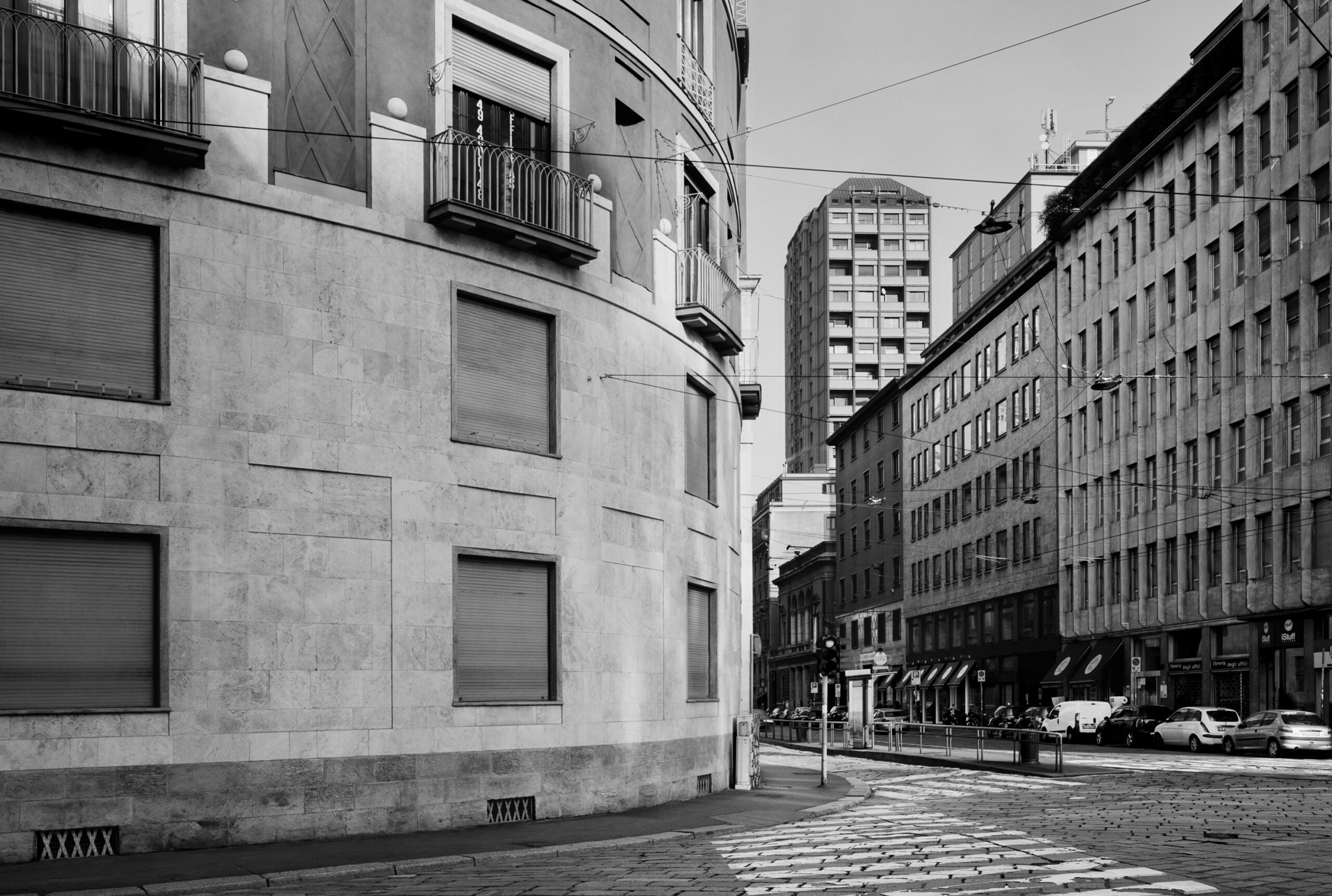
Archivio Muzio
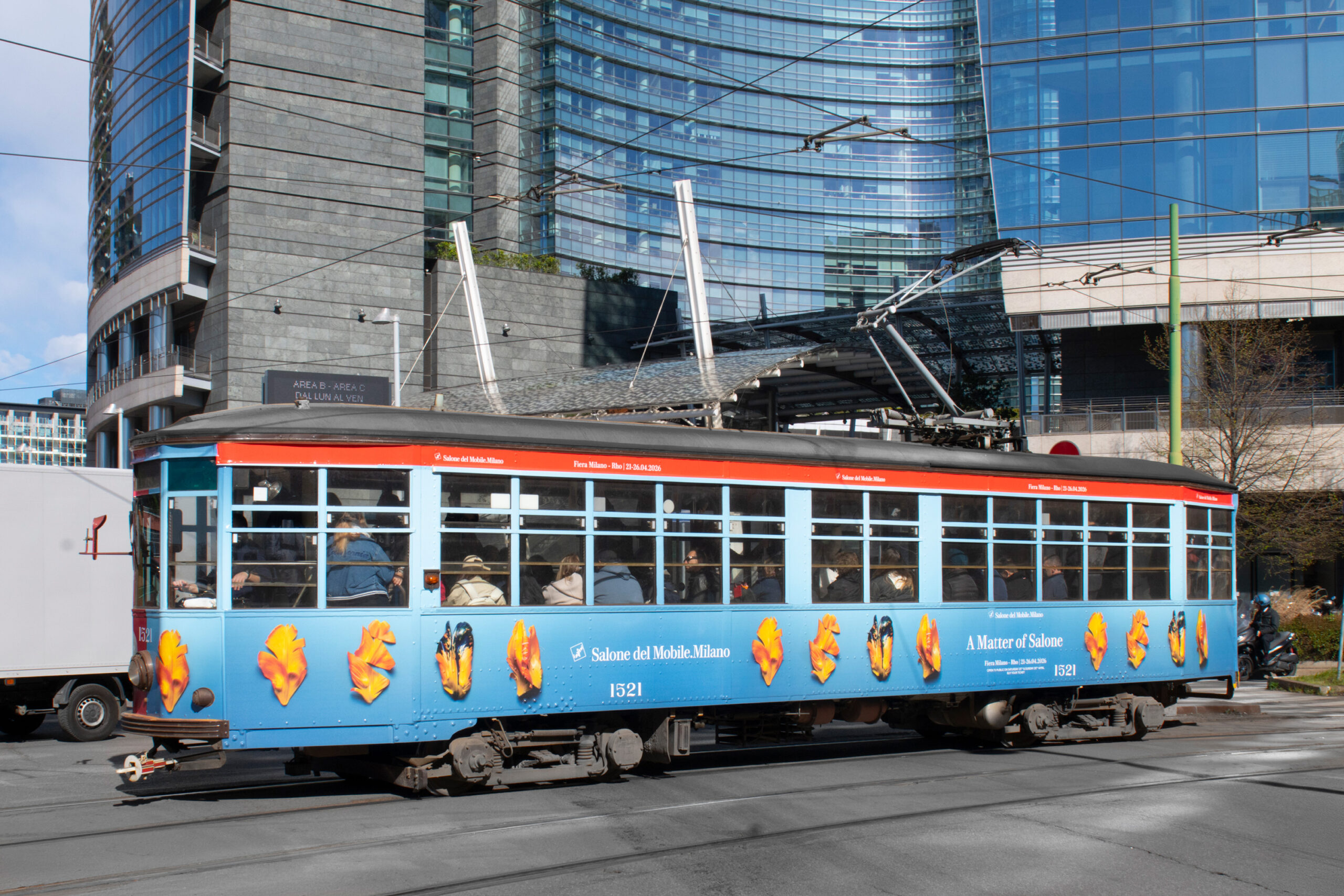
A Matter of Salone in the city, Salone del Mobile, Milano 2026, photography: ©Alessandro Russotti
Salone del Mobile is simply the peak of that logic.
During that week, Milan stops being a city and becomes a stage. Not a stage for an audience, but a stage for participants. Everything moves outward. Showrooms, galleries, courtyards, universities, abandoned buildings. The city unfolds and turns into a sequence of spaces you have to move through in order to understand what design actually is today.
This year, that shift feels especially clear.
The focus is no longer on the final product. Not on the chair, the lamp, or the object that needs to look perfect in a catalogue. Instead, everything moves toward experience. Toward process. Installations take over. Space becomes narrative. You don’t enter an interior, you enter an idea. You don’t move through function, you move through concept.
And the city follows.
Squares feel different. The light feels different. It all looks as if someone decided, just for a moment, to make Milan visibly beautiful. And that is where the paradox begins. A city that never insisted on beauty suddenly becomes a perfect backdrop. Like a render that somehow slipped into reality.
And that is exactly where you need to be careful.
Because Milan can easily become background. Something to consume, photograph and leave behind. Especially for those who arrive with pre-planned images already in mind. For the influencer-minded visitor, Milan becomes just another “aperitivo bar”, only slightly less beautiful than Rome or Paris.
But Milan does not work like that.
It does not give you ready-made images. It asks for engagement. It asks you to move through it, to get lost in it, to sit in a bar on a side street in Isola or Porta Venezia and realize that this, away from the main stage, is where the city actually exists. That Navigli is not just a canal for photographs, but a place where the city unwinds. That food is not an addition to the experience, but part of its structure. And that design, no matter how present it is, is never an end in itself.
That is why Milan can be frustrating.
Because it does not want to please you. It does not want to be easy. It does not want to be clear. And that is exactly why I love it. Because every time I think I have understood it, it proves me wrong.
It might be the only city that does not try to impress you, yet still sets the standard for the rest of the world.
And maybe that is the reason why, if you skip it, it feels like you have missed design altogether.