


Why Architecture Cannot Exist Without the Resistance of Reality
Word:
Stefan Miloš
Photography:
Stefan Miloš
Date:
7.5.2026.
What is most often presented today as an entry into design is, in reality, an accelerated course in image production. Fast, accessible, and built on the promise that producing a convincing render is enough to deliver a project. This logic holds as long as the project remains a frame on a screen. The moment it needs to become space, a layer of work emerges that these courses do not address.
The idea that space can exist as an image is not new. In the 18th century, Giovanni Battista Piranesi built his reputation on thousands of engravings that operated at the edge of fiction. His interiors and urban visions function precisely because they were never required to answer how they would be built, used, or sustained. Space exists as an idea, free from material, cost, and time.
In practice, his built work is far more limited. His most notable project, Santa Maria del Priorato in Rome, demonstrates what happens when a drawing must become a wall. At that point, dimension, structure, material, and maintenance come into play.
And then there is the image that visitors look for today when they arrive in Rome — the keyhole view precisely framing St. Peter’s Basilica. It reflects the same instinct present in his drawings, but here it had to be executed.
The difference is not talent. The difference is the resistance of reality.
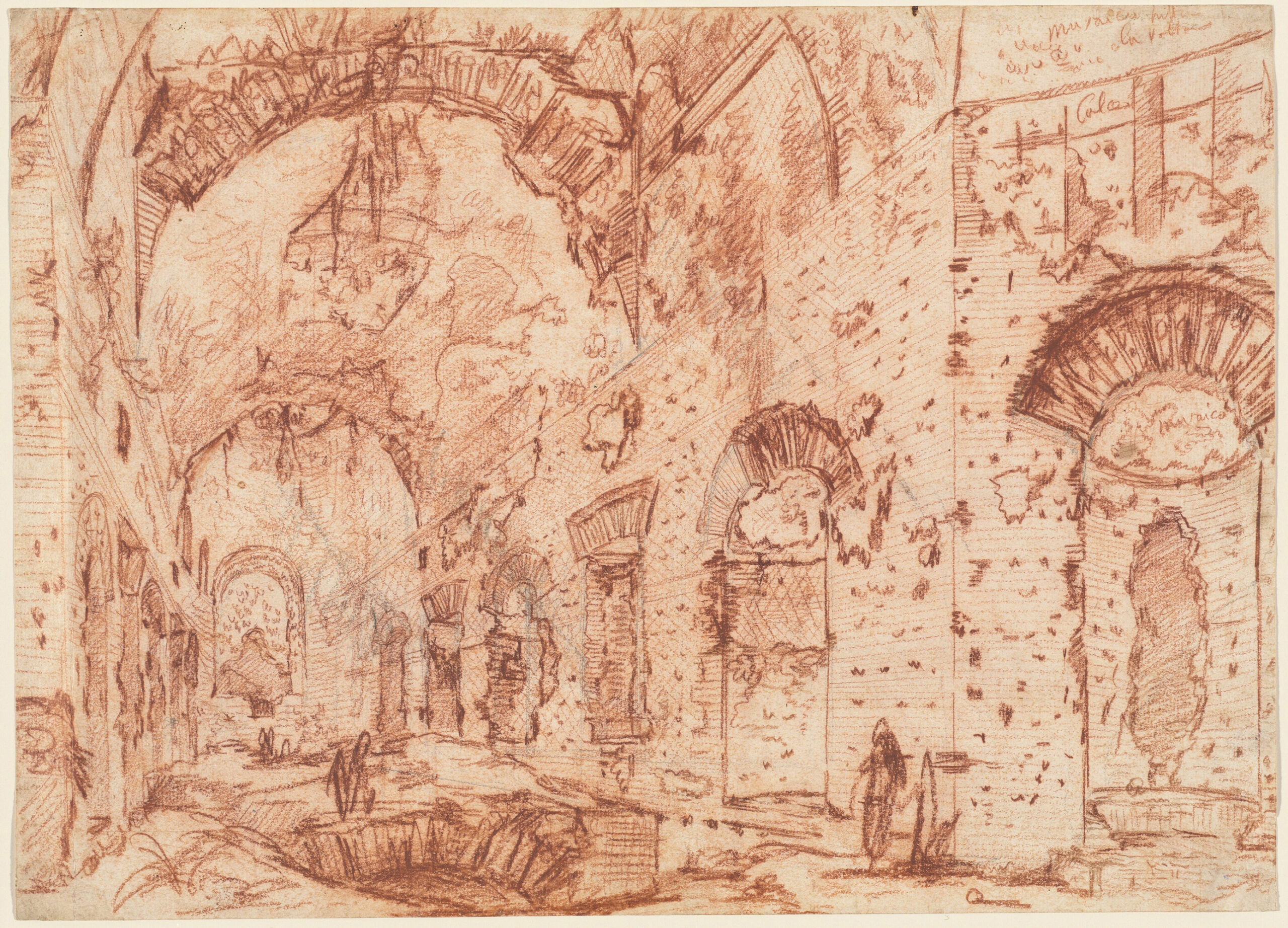
Today, we have tools that replicate what Piranesi once did by hand, only faster and more accessible. The difference is that drawing was understood as vision, while rendering is now often presented as resolution.
This is not a local anomaly. The same dynamic can be observed from London to Dubai, from Milan to New York. The difference lies only in the scale of the market and the tolerance for error. The demand for fast solutions is global, as are the consequences of reducing the process to a visual outcome.
Professional practice follows a different order. Before the first line is drawn, the feasibility of the idea is examined. Dimensions are checked against available formats, materials are selected based on performance rather than appearance, and installation, transport, maintenance, timelines, and budgets are considered. Only when constraints are clear does form begin to make sense.
A large conference table offers a clear example. In a digital model, a monolithic surface appears straightforward. In production, such an element rarely exists as a single piece. The solution requires segmentation and a structure that must be anticipated in advance, and joints become a design task rather than a flaw to be concealed.
If this is not resolved in time, the project enters a sequence of corrections that alter the initial idea and increase cost.
Materials introduce another level of responsibility. A surface that appears homogeneous and refined in a render must withstand impact, heat, moisture, cleaning, and continuous use. At that point, selection is no longer aesthetic but performative. HPL, compact boards, natural veneer, or lacquered MDF are not interchangeable, but systems with distinct constraints in fabrication, detailing, and durability. These differences determine how an object will perform after a year, not just on the first day.
Details that rarely appear in a render, but define the space, require equal precision. Edge ergonomics, power access, cable routing, installation, tolerances, transport, and delivery all shape the project.
When this part of the process is overlooked, corrections shift into execution, where they become the most expensive. Decisions made for the image are then reconsidered under pressure.
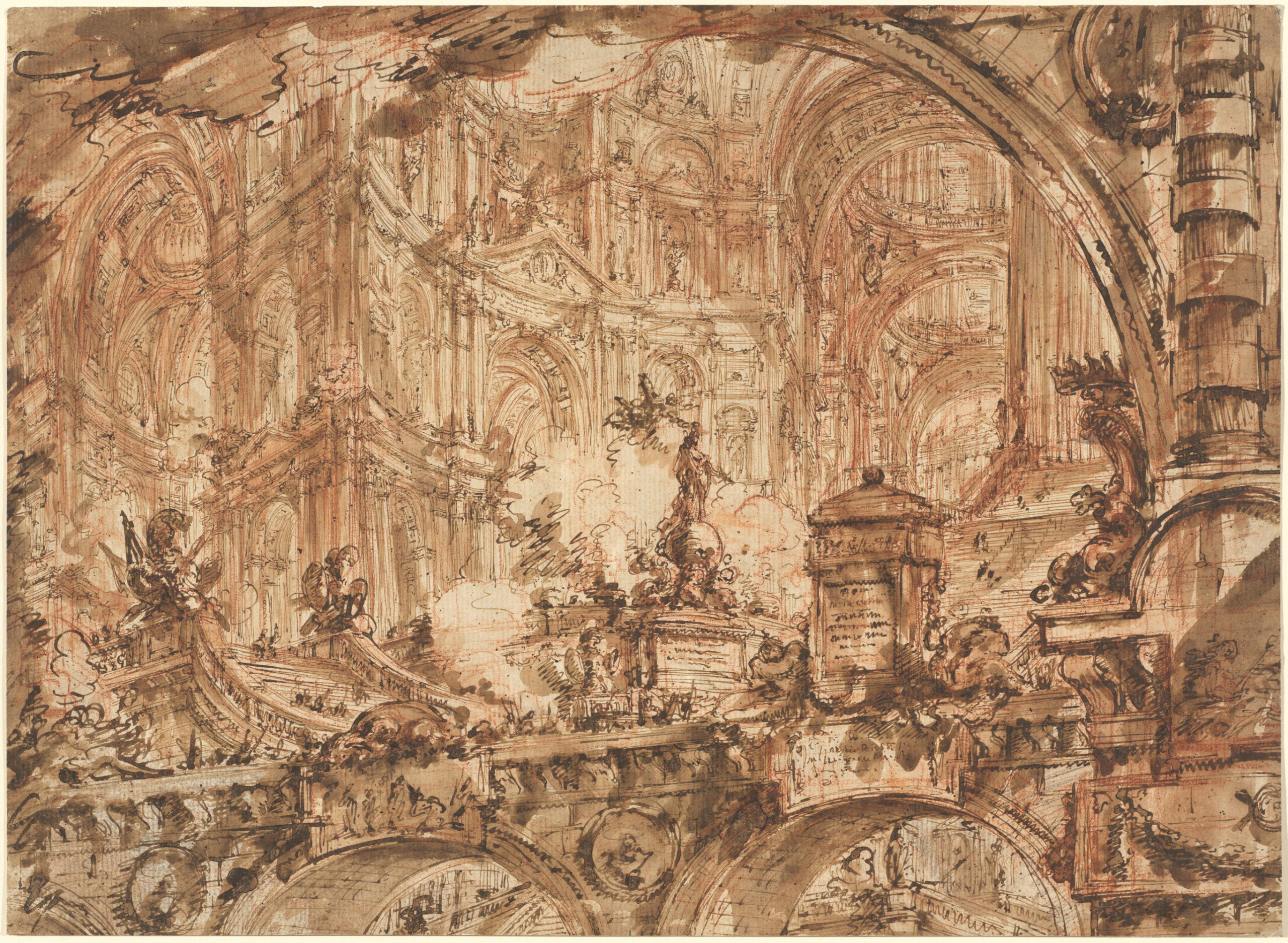
Without an understanding of materials, production, and coordination, a render remains a simulation. A simulation carries no responsibility for what happens in space.
Professional education and practice exist to bridge this gap. Not as a formal requirement, but as a method of work. Asking questions before drawing answers. Testing assumptions before turning them into form. Taking responsibility for decisions that must endure.
Interior design is not a sequence of images. It is a system of decisions shaped by constraints. Its quality is measured not by visual persuasiveness, but by the stability of the solution over time.
Rendering comes at the end of the process as confirmation that a solution can exist. When that order is reversed, a project appears complete before it has begun. Reality then demands another answer.